













9 November 2026
Elephants – who should sit at the table?
Explore the challenges of elephant conservation in Southern Africa, including growing populations, human-wildlife conflict, sustainable use and the future of wildlife management. – BY LIZANNE NEL

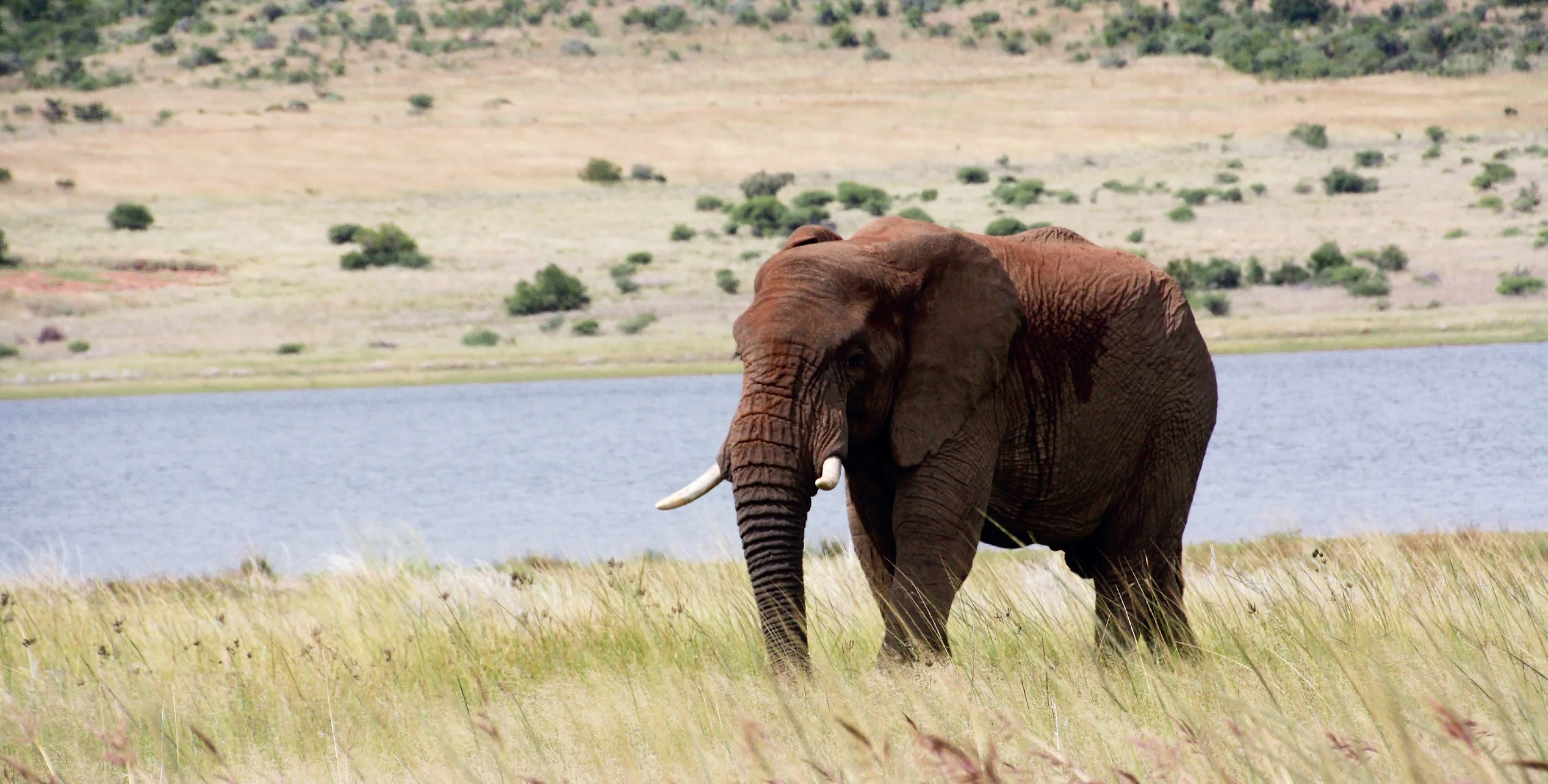
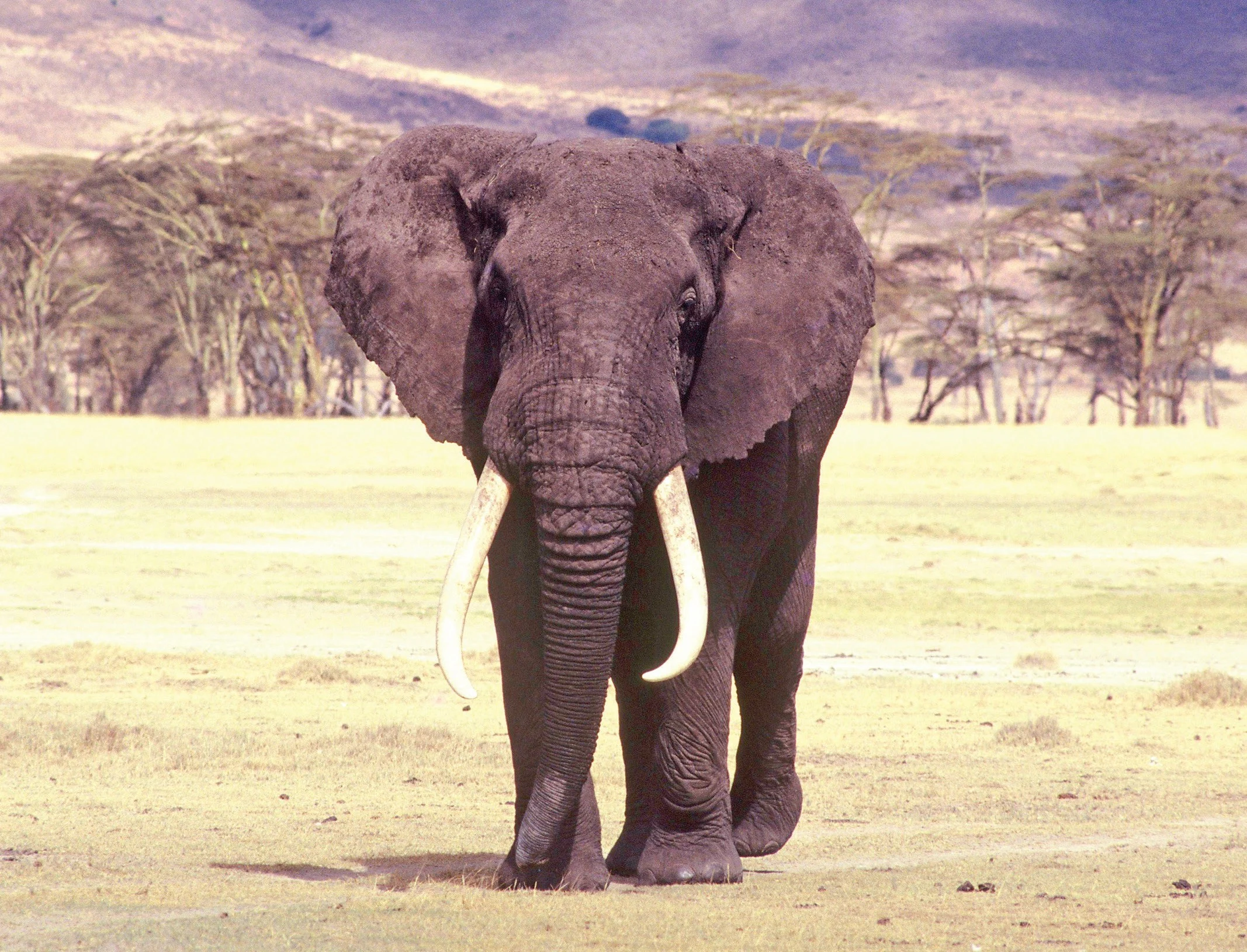
An elephant bull in the Pilanesberg National Park. PHOTO: LIZANNE NEL
Elephants are part of our wildlife heritage, and we should all be held accountable for the impact of our decisions on their long-term survival.
Zimbabwe, Botswana, Namibia, Tanzania and Zambia want the UN Convention on International Trade in Endangered Species of Wild Fauna and Flora (CITES) to lift the ban on the ivory trade. South Africa indicated support, but it still needs to be ratified by the government. This joint position was one of the outcomes of the first African Elephant Summit held at the end of May this year in Hwange, Zimbabwe.
Both Japan and China, two large consumer markets of elephant tusks, supported the bid to promote the lifting of a ban on the ivory trade. At the same time, America, along with EU countries and Britain, remain vehemently opposed to lifting the ban. International trade in ivory and elephants has been banned since 1989 under CITES. One-off sales were allowed in 1999 and 2008, despite fierce opposition.
HUMAN-WILDLIFE CONFLICT
Southern African countries that support sustainable use are home to approximately 293 000 (70%) of Africa’s elephant population. Elephant numbers here are increasing, resulting in habitat degradation in some areas and increased human-wildlife conflict as resources and space must be shared between people and elephants.
Elephant populations outside South Africa are predominantly free-roaming in large, unfenced wildlife areas. In this country, however, elephants are mostly confined to fenced game farms and protected areas of varying sizes, which are generally considered “small” compared to African wildlife areas and the natural home ranges of this species.
Although fenced areas reduce the incidence of human-elephant conflict, breakouts frequently occur. People have shared the landscape with elephants since time immemorial, and human-elephant conflict remains a challenge for responsible conservation agencies and people living with elephants.
For instance, since the beginning of 2022, at least 60 people have been killed and 50 injured by elephants in Zimbabwe, compared to 72 deaths in 2021. The death of a family member is undeniably tragic for both the affected family and the community. Given that over a third of the African elephant population occur within Botswana, Zimbabwe and South Africa, the negative impacts of elephants on people cannot be overlooked and must be favourably counterbalanced by the benefits that these animals and wildlife areas bring to the affected families and communities.
GROWING POPULATIONS
With an estimated 100 000 elephants, Zimbabwe has the world’s second-largest population after Botswana and about one-quarter of the elephants in all of Africa.
Elephant numbers in South Africa increased by approximately 27% between 2002 (14 000 elephants) and 2006 (18 000 elephants), and since 2006, by about 41% (source: High-Level Panel Report, DFFE, 2020).
The growth in elephant numbers is not only affecting large parks such as the Kruger National Park, but also approximately 80 smaller wildlife areas to which elephants in South Africa have been introduced. Many of these areas have now exceeded their initial preferred stocking densities or will soon do so for the reasons discussed below.
MANAGEMENT CHALLENGES
Practical management options available to elephant custodians to effectively regulate elephant numbers in fenced areas are few. The current Elephant Norms and Standards, set in place by the national government, require owners of free-roaming elephants to apply a hierarchy of non-lethal management strategies to regulate elephant populations on their properties.
These strategies include contraception, expansion of the property, and translocation to areas that are suitable for these elephants. Only once these management strategies have been reasonably applied and translocation is demonstrated to be unfeasible, will the government permit culling.
Hunting of elephants, particularly lone or potentially damage-causing bulls, is considered if it is aligned with the approved management plans or if the damage can be proven. Yet, it appears to be subjected to similar considerations by government officials before a permit is issued or denied.
In South Africa, about 26 properties with elephants, including some protected areas, are already implementing contraception to reduce the population growth rate. However, this does not halt growth as there must be babies and juveniles to keep the herds from fragmenting.
This intervention does not ultimately prevent elephant overpopulation, particularly in fenced areas or expansive areas with thousands of elephants like the Kruger National Park. Finding new destinations for elephant translocation to reduce the population size is an immense challenge, with large numbers of elephants being available for translocation, but no takers.

The beginning of the end for yet another ancient baobab tree in the Kruger National Park. Elephants have a major impact on these trees, and once ringbarked by them, a tree has zero chance of survival. Note the height of the damaged part – only an elephant can do this. PHOTO: ELMA BRITZ, THE TRUE GREEN ALLIANCE
While the cost of elephant-proof fencing is the first challenge landowners face, the policy uncertainty regarding the management of elephant numbers remains the most significant deterrent for wildlife custodians to introduce elephants, especially given the impacts of too many elephants on the natural environment.
For instance, increased elephant numbers in fenced areas affect not only the vegetation but also large trees that become particularly vulnerable to being killed by either ringbarking or being pushed over. There is always concern that elephants may locally eradicate a particular tree species, as was the case with Cussonia transvaalensis (cabbage trees) in the Waterberg after the first introductions to fenced areas.
The loss of large trees also directly impacts several other vulnerable species such as vultures. Tree-breeding vultures exclusively use tall trees for nesting. Hence their breeding success depends on the number of available, suitable large trees.
Therefore, the destruction of large trees by elephants at breeding sites impacts the breeding of vultures, the numbers of which are already declining at an alarming rate. This impact of high elephant numbers on vultures and other raptors has been documented for the Atherstone Nature Reserve near Dwaalboom in Limpopo Province.
CITES
During a CITES meeting in May 2022 between the South African government and various local stakeholders to prepare for the CITES COP in Panama later this year, the Department of Forestry, Fisheries and the Environment (DFFE) stated that any discussions on international trade in elephants, lions, leopards and rhinos would not be considered until the country had a clear policy that provides for the sustainable use of these species going forward.
A draft policy for the four species was circulated for public comment in 2021. This draft policy was particularly weak on the principle of sustainable conservation.

The sad end. When the next bush fire comes along, these remains will become nothing but ash. Animal rights organisations do not consider this loss of biodiversity. PHOTO: ELMA BRITZ, THE TRUE GREEN ALLIANCE
Among many concerns is the absence of recognition of the “on-the-ground” challenges the country, protected areas, private landowners and communities face regarding wildlife management.
For instance, the policy fell short of meaningfully addressing the overstocking of elephants, particularly in smaller wildlife areas, and, secondly, of empowering people and communities to manage conflict or the damage caused by individuals or populations of these species. Consequently, people and communities bear the entire economic and social brunt of wildlife-inflicted damage, especially in the marginalised rural areas.
DWINDLING FUNDS
Against this backdrop, government funding for conservation, including that set aside for state-protected areas, is decreasing. The reduction in conservation funding places a concomitant burden on (or creates an active expectation of) the private sector and communities to increasingly contribute to both provincial and national conservation objectives.
While both the private and communal sectors are willing to make a meaningful contribution to conserving South Africa’s natural heritage, it is becoming increasingly apparent that the government is not creating sufficient and effective opportunities to listen to and address the challenges. This circumstance (i.e. ignoring the voice of the affected people) is aptly demonstrated by South Africa’s stance and engagement at CITES as far as rhinos and elephants are concerned.
The immediate consequence is that the sustainable use of wildlife and its role in adaptive management are outweighed by those who oppose this principle and petitioned for trade bans but are not held accountable for the consequence of their actions.
While anti-trade lobby groups advocate that socio-economic considerations should not be considered in CITES decision-making, they negligently fail to consider or provide a counterbalance for the loss of revenue generated by the sustainable and responsible use of wildlife. This revenue is critical for maintaining and securing wildlife areas in many developing countries.
Likewise, the extreme animal rights lobby groups are not held responsible and accountable for the loss of biodiversity and habitat once privately or communally managed wildlife areas are discontinued in favour of lucrative cash crops or development when, as a result of their influence, the financial, management and social burden (wildlife custodians that are pro-trade and pro-use are often deamonised) becomes unbearable to dedicated wildlife custodians.
ALSO READ: The real threat to African wildlife: The facts from a game ranger
The supportive and defendable policy frameworks in, for example, agriculture, compared to the biodiversity policy frameworks, further exacerbate disinvestment in wildlife.
In addition, the hardship caused by a CITES-listed species that decimates a staple crop or kills livestock is clearly ignored. Given that a third of the people in South Africa are unemployed (and this estimate is probably double in those marginal rural areas adjacent to parks with elephants), the impact of elephants on their livelihoods is likely to be devastating.
Lastly, the lobby groups also do not consider that management costs increase with the growth in numbers, particularly when preferred stocking density is exceeded. The greater number of elephants in fenced areas translates to challenges in managing the habitat for other species or wildlife-based activities that make up the suite of viable income streams required to maintain the wildlife area.
There is also a higher probability of breakouts and movement into neighbouring areas, with associated social and financial implications. Addressing these issues comes with a financial and management cost that invariably results in decreased finances and resources available to sustainably manage the wildlife area.
Against the background of increasingly difficult socio-economic circumstances – such as increased fuel prices and the rising number of municipalities that are amending their rates policies to tax game farms as commercial businesses instead of agricultural players – proper and effective management of the wildlife areas is placed at significant risk, and with that, securing wildlife habitats for the species in question.
LEES OOK: Die Afrika-olifant: Bedreig of nie?
The natural conclusions one must reasonably come to are that where population numbers and trends differ significantly between range states of a CITES-listed species, like Southern African elephant range states compared to the rest of Africa, different approaches are required in terms of trade policy. What is good for West African elephant populations where population numbers are dwindling is not necessarily good for elephants and people in Southern Africa where elephant numbers and human-elephant conflict keep escalating.
Secondly, decisions on the trade in CITES-listed species should predominantly be decided upon by those countries directly affected (positively and negatively) and those who invest in their conservation.
As far as in-house decisions and policies are concerned, wildlife custodians in particular should have a reserved seat at the table because affecting the viability of responsible, wildlife-based enterprises that contribute to conservation affects the future of our wildlife heritage. Their challenges and opportunities in the day-to-day, responsible management of wildlife should receive top priority since neither the government nor the armchair lobby groups will be able to secure the future of our wildlife without a vibrant wildlife industry.
Thirdly, the extreme animal rights and anti-trade lobby groups, as well as international anti-trade countries, should demonstrate their investment in our wildlife and the people living with wildlife before being allowed to influence how we as South Africans and Southern Africa manage our wildlife, especially given our demonstrable successes.
ELEPHANT CONSERVATION
Lastly, elephants are part of our wildlife heritage, highly social, very intelligent, and deserving of us adopting an integrated and holistic approach in deciding how we will share the finite space we have with them going forward. Hard decisions will have to be made. All of us must be held accountable for the impacts of our decisions and actions on their long-term survival, including the custodians securing their habitat and the associated implications for people living with them.
LIZANNE NEL is the Conservation manager, SA Hunters and Game Conservation Association
(This article was published in the Julie 2022 edition of SA JAGTER/HUNTER)