











9 November 2026
Angola’s historic returns to legalised hunting
Angola officially reopens hunting after nearly two decades, marking a major milestone for wildlife conservation, sustainable hunting and rural development.

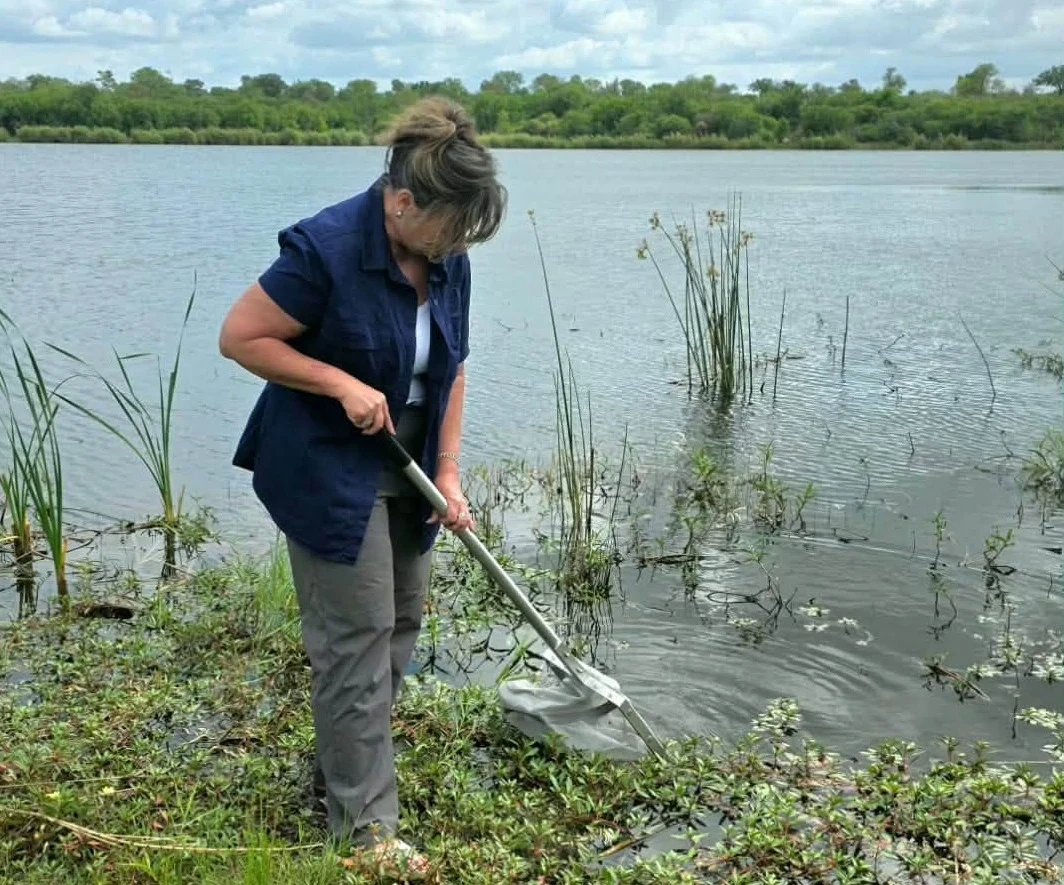
The Kwanza River in Angola. PHOTO: WIKIPEDIA/JLRSOUSA
The sound of a symbolic gunshot in Huíla province marked the official opening of Angola’s 2026 hunting season, signalling an important milestone for a country that is working to restore its former reputation as one of Africa’s great hunting destinations.
At a ceremony held on a farm in the municipality of Gambos, Huíla, the Secretary of State for Forests, João Manuel Bartolomeu da Cunha, fired the symbolic shot into the air, officially declaring the season open. The season runs from 1 August to 31 December 2026.
The occasion represents more than the start of another hunting season. It marks the return of legally regulated hunting after an absence of almost two decades and an important step in Angola’s efforts to rebuild its wildlife resources and establish hunting as a contributor to conservation and rural development.
Tatiana Costa, wrote in Ver Angola, that the Director-General of the Institute of Forestry Development (IDF), Cristina Quintas, used the occasion to call on hunters to act responsibly and comply with the legislation governing the activity.
Emanuel Louro, secretary-general of the Angolan Hunters Association, also called for tougher penalties for poaching and improvements to the hunter certification process.
“Legal and responsible hunting is part of our responsibility in this process,” Louro said.
For Angola, these are important words. The country has a long hunting heritage, but decades of conflict and the breakdown of wildlife management left much of its extraordinary natural wealth severely depleted.
DECADES OF DECLINE
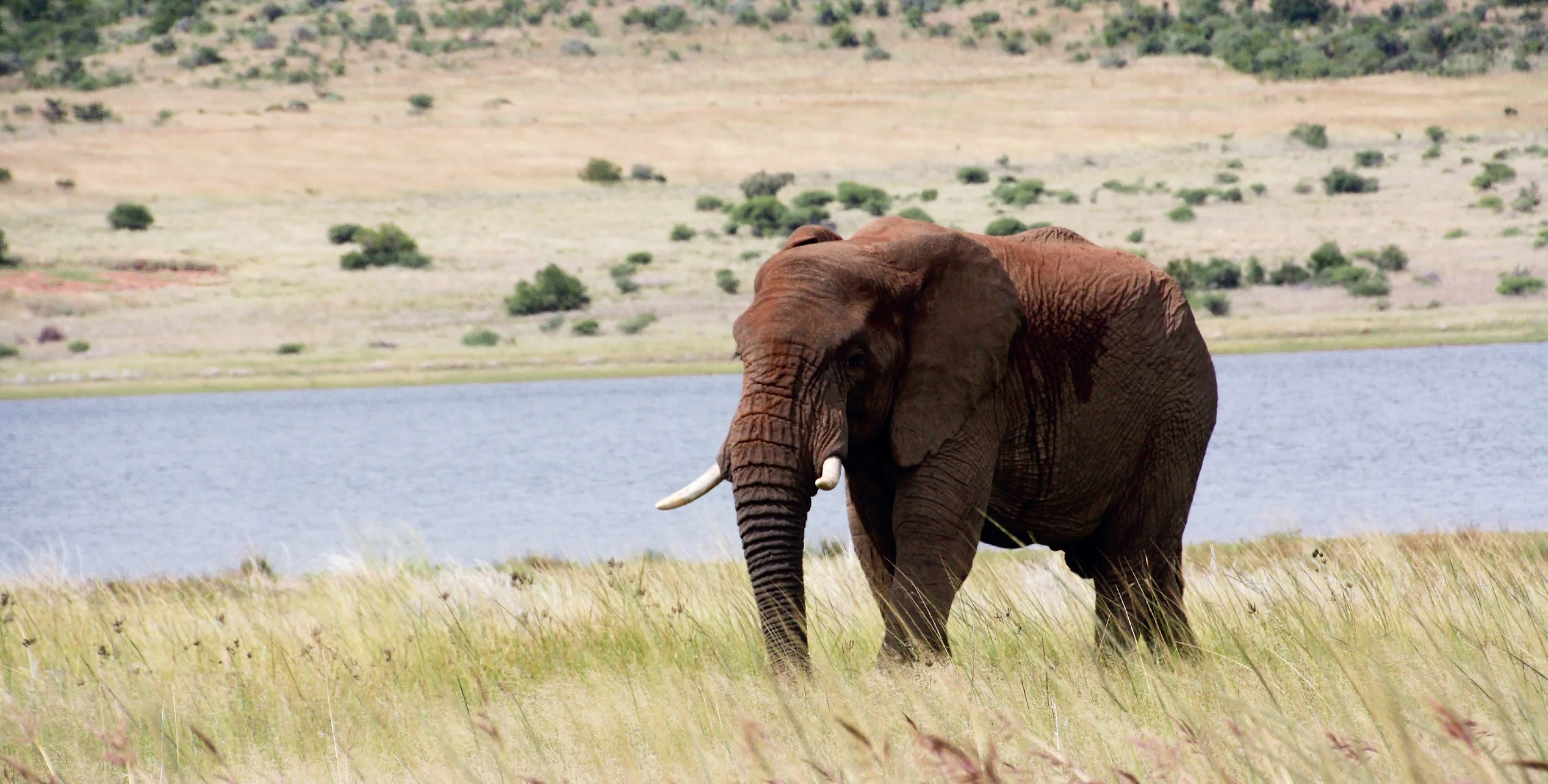
Angola was once regarded as a premier African hunting destination. Its vast and varied landscapes supported impressive populations of wildlife, including elephants, buffalo and the country’s iconic giant sable antelope.
However, the outbreak of civil war in 1975 changed the country’s natural history dramatically. As conflict spread across the country, wildlife conservation became one of many casualties. National parks and protected areas lost effective protection, wildlife management systems deteriorated and poaching increased.
With much of the country consumed by war, the infrastructure and resources needed to manage and protect wildlife were severely compromised. Animals became increasingly vulnerable, while the absence of effective management allowed wildlife populations to decline dramatically.
Although peace returned in 2002, rebuilding the country’s wildlife resources was never going to be an overnight process. The damage extended beyond animal populations to the institutions, expertise and management structures needed to sustain a functioning conservation and hunting industry.
Angola’s decision to bring back regulated hunting therefore represents an opportunity to rebuild more than a safari industry. It offers the country a chance to develop a wildlife management model in which wildlife has tangible economic value, habitat is protected and rural communities can benefit from the natural resources around them.

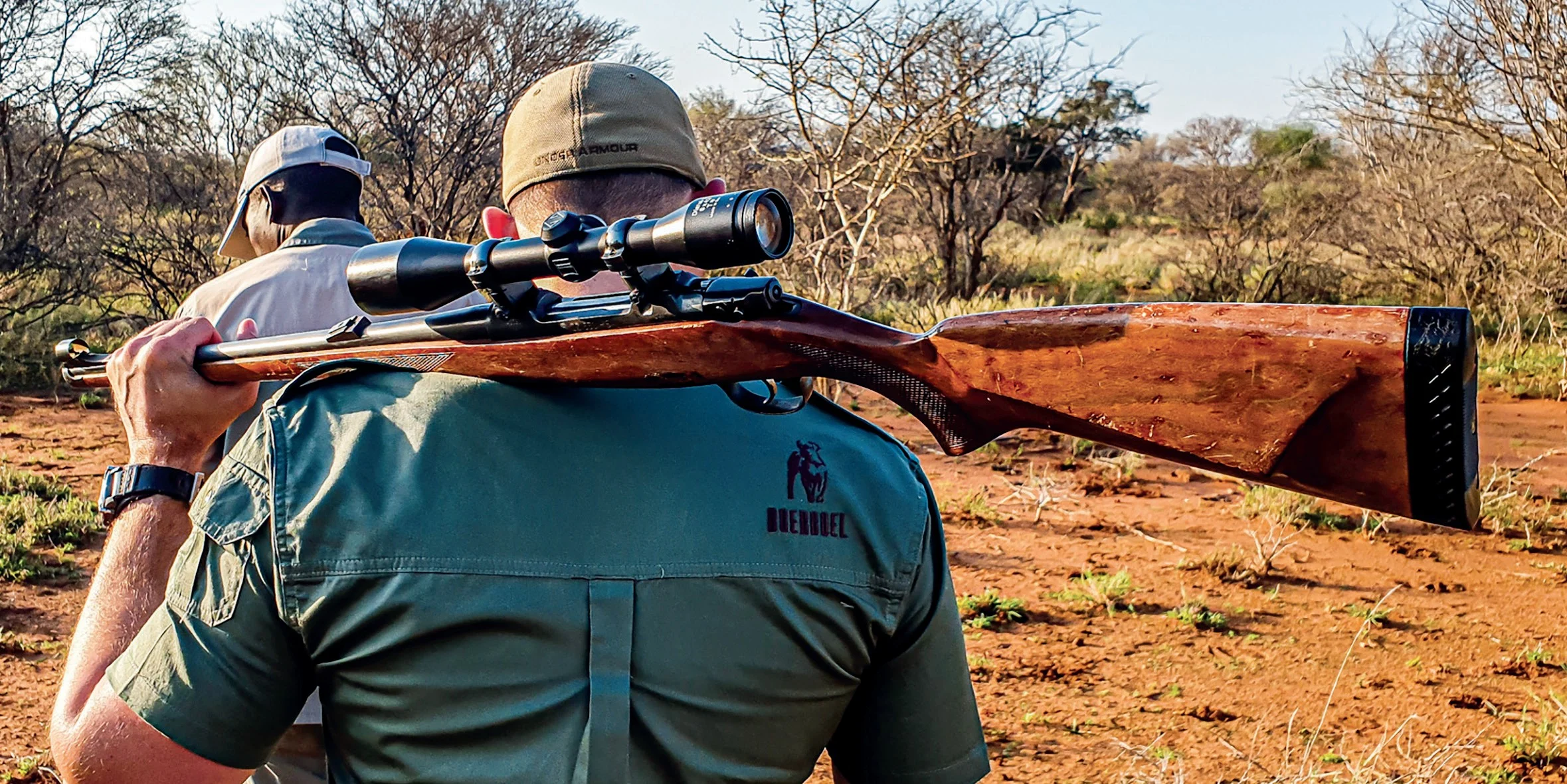
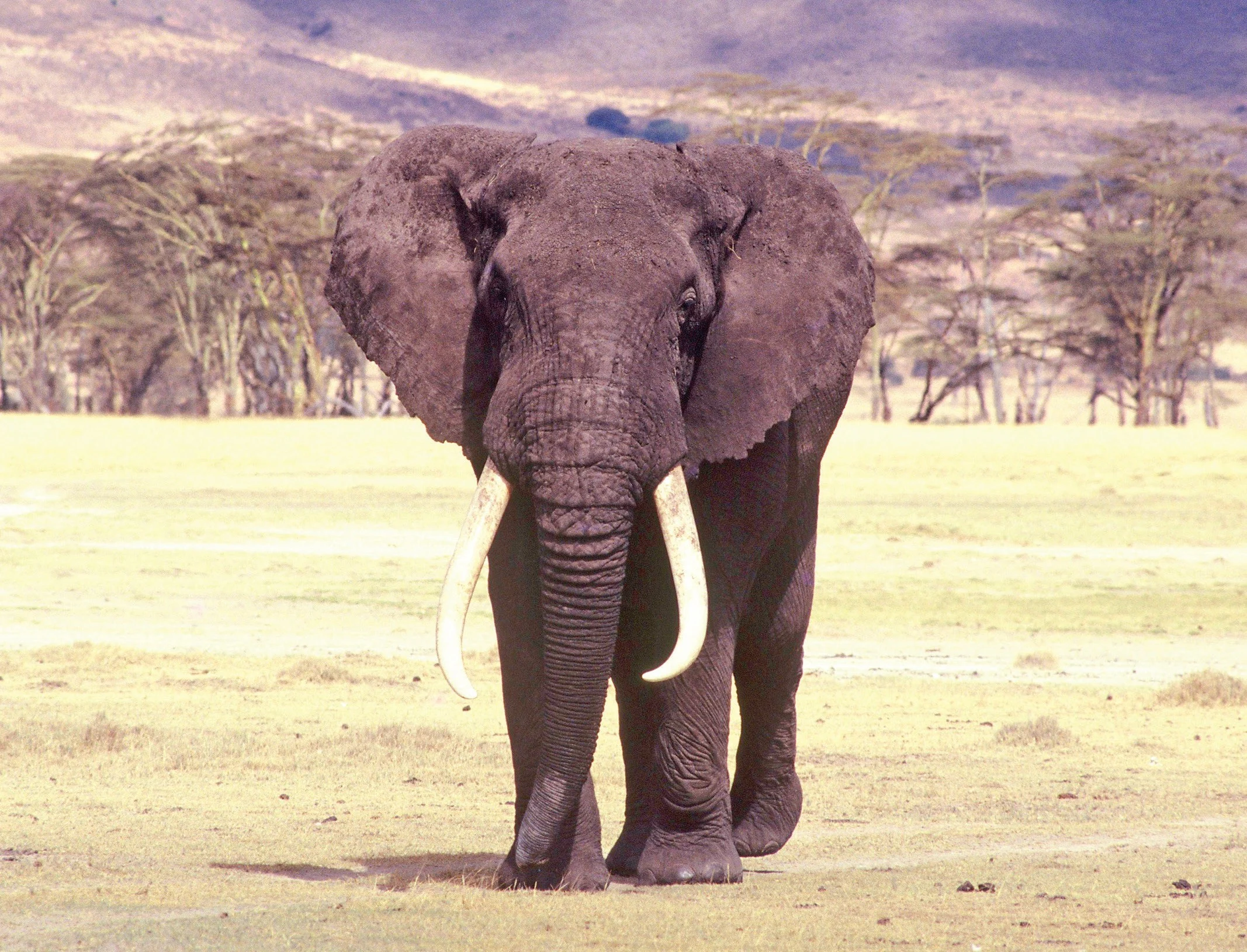
Photo as illustration
WHERE IT STARTED
The groundwork for this new chapter was laid in 2025 at the Dallas Safari Club (DSC) Summer Expo and Foundation Gala in Texas, USA.
As Chad Adams reported for Field Ethos following the event, Dallas Safari Club and Conservation Force joined forces with Angolan counterparts to announce that Angola was preparing to reopen legal, regulated hunting.
Representatives of the Angola Hunters Association participated in the announcement, while the organisations signed a memorandum of understanding establishing a framework for cooperation to help rebuild the country’s hunting industry.
“This is a door reopening,” said Rob McCanna, chief executive officer of Dallas Safari Club and DSC Foundation. “A door to wild country, to real adventure, and to conservation that actually works.”
The announcement was significant because it was not simply about allowing international hunters back into Angola. It represented a commitment to developing a structured, science-based approach to wildlife management and sustainable use.
McCanna emphasised that the initiative was being driven by Angola itself, rather than an externally imposed conservation model.
“Angola is not following a script written by activists or donor-driven agendas,” he said. “This is Angola’s decision. The Angolan people are standing up for science and recognising that hunting is the surest way to conserve wildlife.”
To help turn the announcement into action, the Angola Hunters Association donated a 14-day plains game safari to be auctioned at the DSC event. A five-day blue marlin fishing adventure was also offered.
ALSO READ: Elephants – who should sit at the table?
The winning bid for the Angolan plains game safari was made by DSC president Rick Warren, with the proceeds directed towards supporting the association and its efforts to establish a sustainable hunting programme.
The initiative also received support from Conservation Force, which began providing technical assistance to guide Angolan authorities in implementing hunting regulations.
Dr Simao Zau, director of the National Institute of Forestry Development (IDF) in Angola, acknowledged the importance of this support.
“I would like to thank Conservation Force for the intense technical assistance they started to guide Angolan authorities in implementing the Hunting Regulations with the support of DSC, and we are determined to overcome the immense challenges ahead of us, conscious of the outstanding value that well-regulated hunting can bring to wildlife conservation and communities’ livelihoods,” he said.
THE FIRST HUNTERS RETURN
The announcement in Texas was followed by action on the ground.
Earlier in 2026, Warren and fellow DSC Life Member J.D. Yates travelled to Angola to participate in one of the country’s first sanctioned safaris in 18 years.
The expedition was not without its challenges. Travel delays and difficult journeys across Angola’s rugged terrain tested the hunters, but the welcome they received from local people reflected considerable enthusiasm for the return of safari hunting.
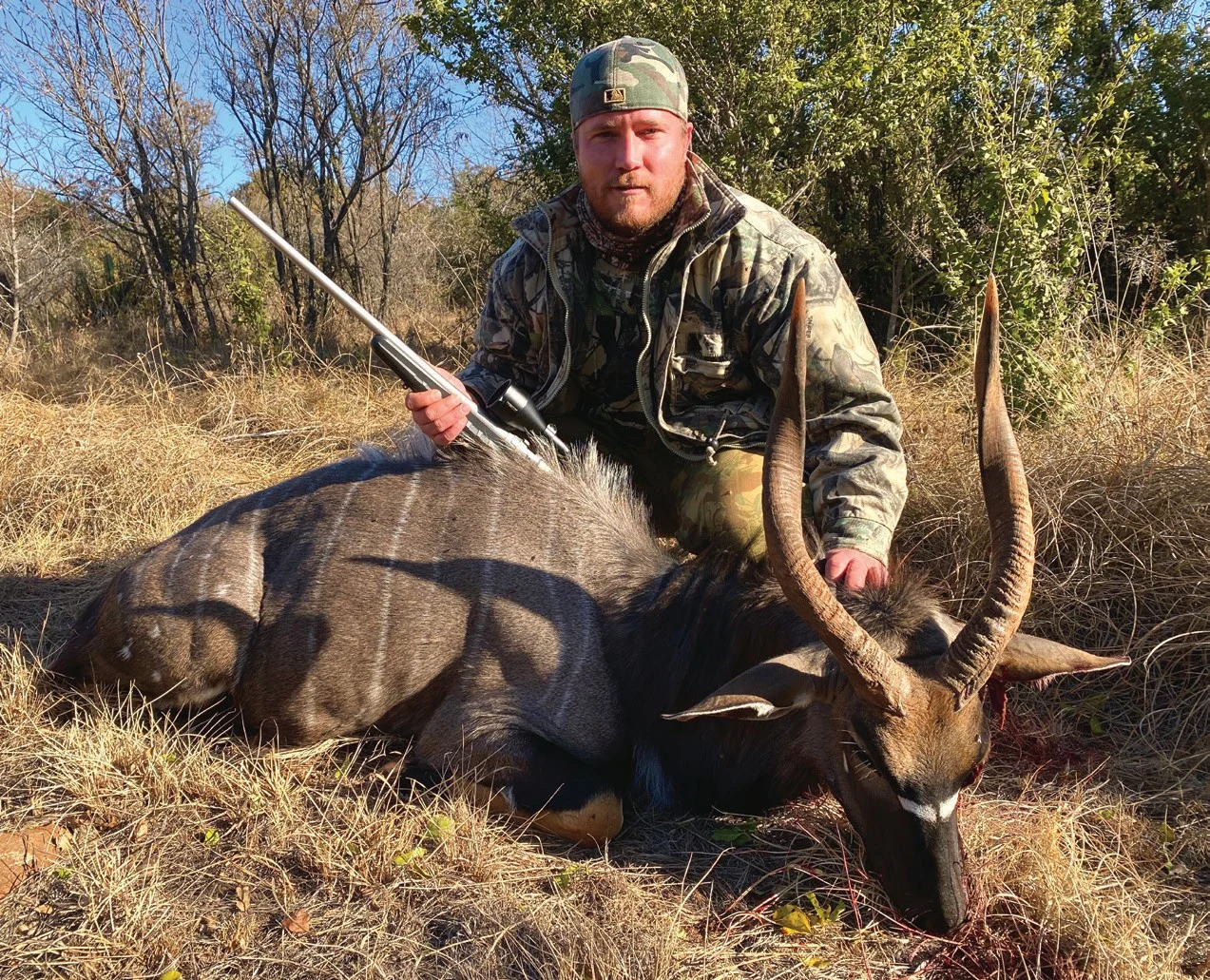
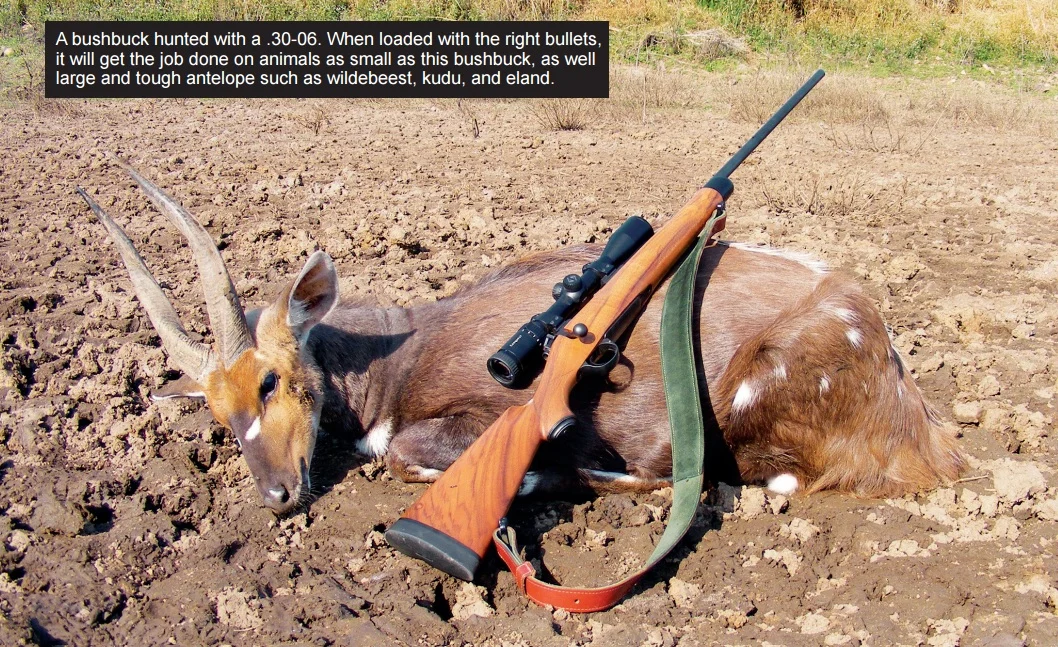
During the safari, the hunters took common waterbuck, springbok, Damara dik-dik, Angolan bush duiker and Southern impala.
While the hunting itself was an important part of the expedition, its wider significance lay in demonstrating that Angola could once again host regulated international hunting safaris.
It also provided an opportunity to experience a country whose hunting potential had remained largely inaccessible for years.
The return of hunters is an important first step, but establishing a successful industry will require careful planning, reliable wildlife data, effective regulation and ongoing investment.
WHY THE RETURN OF HUNTING MATTERS
The renewed interest in hunting in Angola comes at a time when the future of wildlife across much of Africa is increasingly linked to how land is used and who benefits from it.
Wild animals share their habitat with agriculture, livestock production and expanding human settlements. In many areas, wildlife can be viewed as a competitor for land and resources, particularly when communities carry the costs of living alongside dangerous or destructive animals without receiving meaningful benefits.
Regulated hunting can help change that equation.
When properly managed, hunting generates income through safari operations, employment, accommodation, transport and associated services. It can also provide funding for wildlife management, habitat protection and anti-poaching activities.
Most importantly, it can give wildlife a direct economic value, creating an incentive for landowners and communities to maintain natural habitat rather than convert it to alternative land uses.
For Angola, this presents an opportunity to connect wildlife conservation with economic development, particularly in rural areas where employment and sustainable income opportunities are important.
However, the success of this approach will depend on more than simply issuing hunting licences. Wildlife populations must be monitored, quotas must be based on sound scientific information, hunting must be properly regulated and conservation benefits must reach the people living alongside wildlife.
The return of legal hunting must also be accompanied by effective action against illegal hunting. As Louro highlighted at the 2026 opening ceremony, tougher penalties for poachers and a reliable hunter certification system will be important elements of the process.
Sources
- Rowland Ward Foundation – Angola’s Historic Return: A New Chapter for Hunting & Conservation. https://rowlandward.org/
- Chad Adams, Field Ethos (2025) – Report on the announcement at the inaugural Dallas Safari Club Summer Expo and Foundation Gala. https://fieldethos.com/
- Tatiana Costa, Ver Angola (2026) – Report on the official opening of Angola’s 2026 hunting season in Huíla. https://www.verangola.net/


